Written by Jeremy Souffir Founder, JTS Tech Services

For two years, putting AI to work was a project you chose to start. In 2026 it became something that happens to you: the big platforms now ship work agents inside the tools your team already uses — the office suite, the CRM, the helpdesk, the chat app. Analysts expect embedded agents in a large share of business software by year-end, up from almost none a year ago. The adoption decision has quietly been made for you. What's left — governance, access, and measurement — is the part nobody's inbox announced.
The question isn't adoption anymore. It's governance.
When AI was a separate tool, you could pilot it in a corner. An agent embedded in your CRM is different: it's already where your customer data lives. The useful question set changes completely — not "which AI should we buy?" but "which agents are already on, what can each one see, who approved that, and what are they doing with it?" Most teams can't answer any of the four. That's not a criticism; six months ago the questions barely existed.
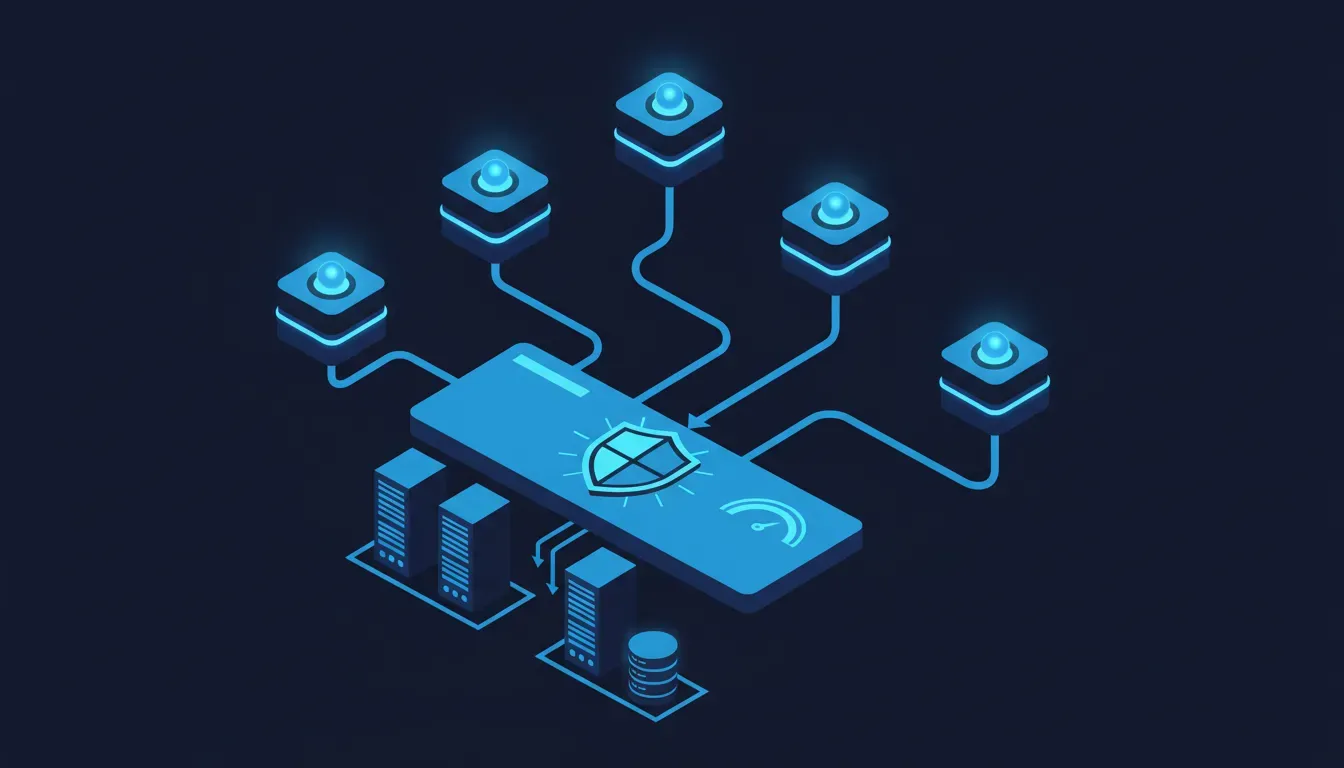
The quiet risk: shadow agents
The old "shadow IT" problem had employees signing up for unapproved apps. The 2026 version is subtler — approved apps growing unapproved capabilities. The tool passed procurement two years ago; the agent inside it arrived in last month's update, defaulted to on.
A first pass any team can run in a week
- Inventory — list every tool you pay for and note which now ship an agent or copilot (the list will surprise you)
- Access — for each one, write down what data it can read and what actions it can take
- Defaults — decide deliberately what's on and what's off; don't let release notes decide for you
- Approval — pick the actions that always need a human (external email, payments, record deletion)
- One owner — a named person who reviews new agent capabilities as vendors ship them, monthly
Then measure like it's any other investment
The teams getting real value from embedded agents treat them like any operational change: pick the two or three workflows where the agent should help, baseline the current numbers — response time, tickets per person, hours on reporting — and check them a month later. Vendors will happily report "AI actions taken" at you; that's activity, not outcome. The number that matters is the one on your P&L, and only you can watch it.
The upside is real
None of this is a reason to switch the agents off. Embedded agents are the cheapest AI capability you'll ever get — already paid for, already where the work is. Governed and measured, they're a genuine edge. Ungoverned and unmeasured, they're a liability with a friendly interface.
If you want a senior hand on this — the inventory, the access review, the measurement plan, and the judgment calls in between — that's precisely what our Fractional Head of AI & Digital engagement exists for: AI leadership across the business, without the full-time hire.