Written by Jeremy Souffir Founder, JTS Tech Services

The short version: the industry spent a year expecting shoppers to complete purchases inside AI chat windows, and that isn't how it played out. OpenAI launched Instant Checkout in ChatGPT at the end of September 2025 and scaled it back in early March 2026, routing purchases toward third-party retailer apps and the merchant's own site instead. What settled in its place is less dramatic and much better for you: the AI does the discovery, then hands the shopper to your store to finish. And according to Shopify's own Q1 2026 data, those handed-over shoppers convert at nearly 50% higher rates than organic search traffic.
What actually happened to in-chat checkout?
It ran into the unglamorous parts of commerce. Reporting on the retreat describes a launch that started with single-item purchases from US Etsy sellers and never grew the things real stores depend on — multi-item carts, promo codes, reliable shipping promises, sales tax. Merchant onboarding was slow enough that only a handful of Shopify's millions of merchants were actually live months after launch, and the product data flowing through was frequently wrong on inventory and shipping cost. None of that is a verdict on AI shopping. It's a verdict on how hard checkout is when you rebuild it from scratch.
We wrote about the protocol layer — ACP and UCP — a few days ago, and that part of the story hasn't reversed: the standards exist, the platforms speak them, and payments in agent contexts are still being built out. What moved is where the transaction happens. Treat that earlier piece as the plumbing explainer, and this one as the update on where the money actually changes hands today.
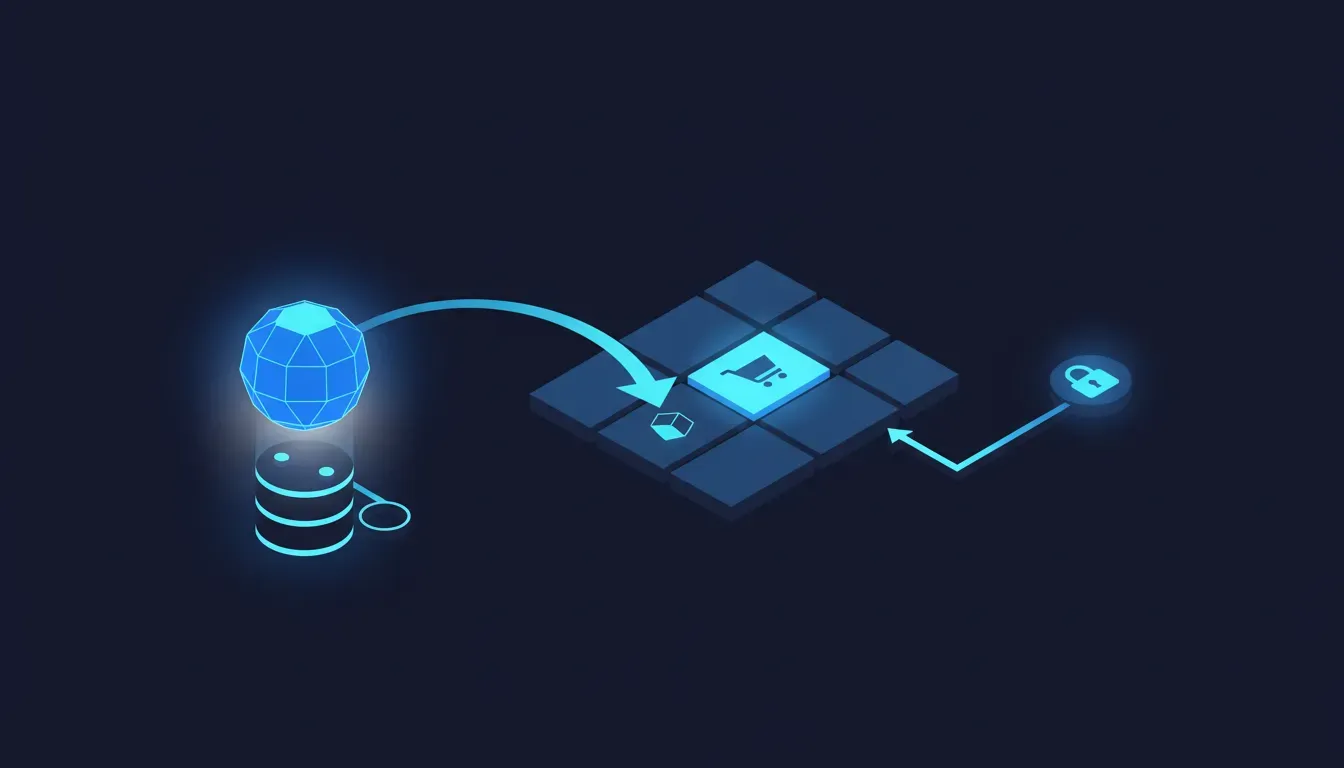
A correction, not a cancellation
It would be a mistake to read this as "AI shopping was hype." Nothing about the demand went away — the assistants still do the research, still shortlist, still decide who gets recommended. Only the final click came home. If anything, that makes your catalog data more important, not less, because the agent has to be confident enough to send someone to you.
Is the traffic actually worth anything?
This is where the numbers stop being theoretical. Shopify published data from Q1 2026 across its merchant base, and it's the most useful public read we've seen on what AI referrals are worth. It's also refreshingly honest about the size of the channel.
- AI-referred sessions convert at nearly 50% higher rates than organic search, when you compare like for like on product detail pages
- AI-referred orders carry about 14% higher average order values
- AI outperformed organic search in 23 of 25 merchant categories, by an average of 56%
- Referral sessions from AI assistants grew more than 8x year over year; AI-referred orders grew nearly 13x
- And the caveat that matters: organic search still refers more sessions than every tracked AI platform combined
So it's a small channel growing very fast, with unusually good economics. That combination is worth planning around — and it's not a reason to take your eye off search, email, or anything else that already works. Shopify also notes that traffic arriving via Google's AI Overviews gets counted as organic search, which means the true AI-mediated share is quietly larger than the referral numbers show.
Why do these shoppers convert so much better?
Because the hard part already happened somewhere else. More than half of AI-referred sessions land directly on a product detail page, against roughly 20% for organic search. The person didn't arrive to browse. They arrived having already asked an assistant which one is best for a two-year-old, or which of these three is actually waterproof, and been given an answer. Shopify calls it journey compression, which is a good name for it: the comparison shopping happened in the chat, and what lands on your site is the last step.
The mistake this sets you up for
Treating AI referrals like generic traffic. Deep-linking them to a homepage or a collection page re-opens a decision the shopper already made, and you lose them. Worse is landing them on a product page that can't confirm what the assistant told them — no clear specs, availability that contradicts the recommendation, returns policy three clicks away. The agent vouched for you. The page has to hold up.

What to do about it this quarter
Nothing here is exotic. It's mostly the unglamorous catalog work that also happens to be good for search, ads, and human shoppers — which is why we keep pushing it.
- Treat your product feed as a first-class asset, not a Shopping Ads afterthought — it is increasingly the record AI assistants read you from
- Make every product page work as a landing page: specs, real availability, shipping and returns visible without hunting
- Put structured product data across the whole catalog, not just your bestsellers — the long tail is where agents look for specific questions
- Split AI referrers out in your analytics so you can see the channel at all; most default reports bury it
- Fix contradictions first. Conflicting or stale attributes cost you more than missing ones, because they break the agent's confidence in recommending you
The genuinely good news
The version of the future that arrived is the friendlier one. You keep the customer relationship, the checkout, the data, and the post-purchase experience — and the assistant does your top-of-funnel work for free. All it asks in return is product data good enough to stake its recommendation on.
That last part is exactly what our AI Shopping Visibility work is for: reading your catalog the way the assistants do, finding where the data is thin, wrong, or contradictory, and fixing it in priority order so the products that matter are the ones agents can confidently recommend.