Written by Jeremy Souffir Founder, JTS Tech Services

The short version. On 16 September OpenAI shipped a batch of ChatGPT Ads changes, and the one that lands on a merchant's desk is a ChatGPT Ads app in the Shopify App Store. In OpenAI's words, products are already integrated through Shopify Catalog, so merchants can start running ads and tracking performance right away. It is live for US merchants today and reaches every market where ChatGPT Ads run, Canada included, on 23 September. HubSpot got the equivalent for B2B the same day, and OpenAI opened self-serve sign-up at ads.openai.com. When we wrote about ChatGPT ads in August, part of the reason to wait was that you could not buy them yourself. That reason is gone. What has not changed is the design: the ad still sits beside the answer and cannot buy the recommendation. What has changed is what the ad is made of. The Shopify version is built from your catalog, flaws included, and the new format OpenAI is testing has to hold a conversation.
What actually shipped on 16 September?
From OpenAI's announcement, read directly, with the parts that come from elsewhere marked as such.
- A ChatGPT Ads app for Shopify, published by OpenAI. It connects or creates an ad account, syncs your catalog to ChatGPT Ads Manager, builds ads from product information, sets up conversion tracking through the Shopify pixel and reports performance inside Shopify. US now, other ChatGPT Ads markets from 23 September.
- HubSpot is OpenAI's first CRM partner. Businesses can create ChatGPT ads, track them and follow up on leads inside HubSpot. HubSpot's own pitch is closed-loop attribution: tracing a closed deal back to the campaign that started it.
- Self-serve buying at ads.openai.com, plus an Ads Manager plugin that lets advertisers create, change and analyse campaigns by typing prompts inside ChatGPT.
- AI help writing the ads. Ads Manager now suggests copy and imagery drawn from your landing page. Separately, advertisers can opt in to "AI-powered text customization", which adapts your headlines and descriptions to fit the conversation and translates them into the user's language.
- Sponsored Agents, in testing with select US advertisers. After clicking an ad, a user can start a clearly labelled conversation with an agent the business sponsors, ask follow-up questions and follow a link to the business's site. AI Weekly reports the pilot advertisers include Wayfair, Angi, Newegg, Best Buy, Lowe's and VistaPrint; OpenAI's own post names none.
- OpenAI published no pricing, no cost-per-click guidance and no performance figures for any of this. Nobody else has real numbers either, whatever you are shown this week.
Whose claims these are
Everything above about how the features work is OpenAI describing its own product, and the attribution claim is HubSpot describing its own. None of it has been tested independently, because none of it existed a week ago. The pilot advertiser names come from trade press, not from OpenAI. eMarketer reports that OpenAI is aiming for $100 billion in ad revenue by 2030, which is useful context for how hard this channel is about to be sold to you and tells you nothing about whether it works. One more thing worth reading before anyone signs up: HubSpot's launch bundle includes a $750 match on ChatGPT Ads spend for new accounts opened by 30 September. That is a perfectly normal launch promotion. It is also a deadline, and deadlines are designed to shorten exactly the thinking this post asks you to do.
Why does "built from your catalog" matter?
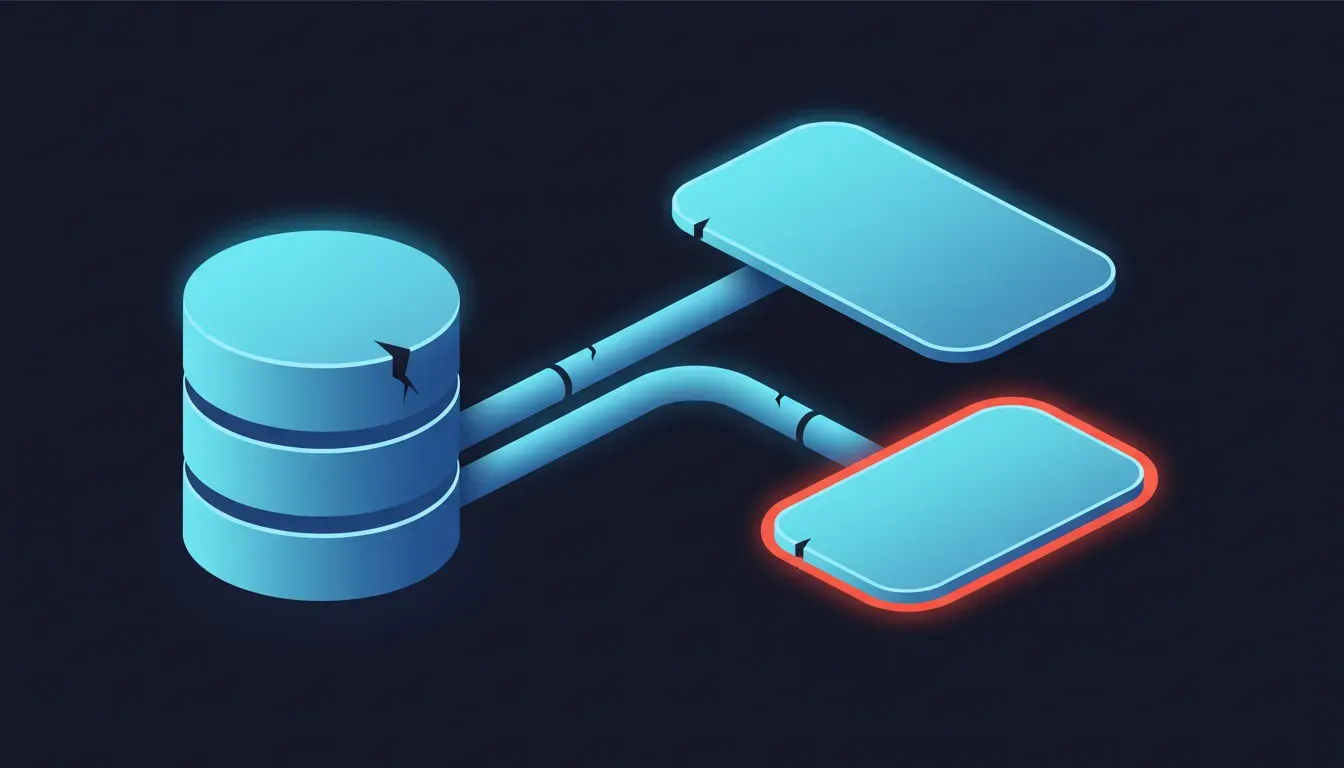
Because it quietly ties the paid slot to the thing that already decides the free one. We have spent most of this year saying the same thing about ChatGPT's organic answers: product cards come from merchant feeds, the model reads a very small slice of your page, and whether you are recommended depends on whether your product data states the facts a shopper is asking about. The Shopify app now takes that same catalog and makes ads out of it. OpenAI's phrase is that your products are already integrated, and for most stores that integration happened by default through Shopify's agentic storefront settings rather than as a decision anyone made.
Follow that through and the consequence is plain, though we should say it is our reading rather than anything OpenAI has written. If a product title is a supplier code, the ad inherits the supplier code. If the description never mentions size, material or compatibility, the ad has nothing to say about them, and neither does the AI-suggested copy that draws from your landing page. If a variant is out of stock in the feed but not on the page, or the reverse, you are now paying to show it. The catalog used to be a single point of failure for being mentioned. It is now a single point of failure for being mentioned and for being advertised, and the second one sends you an invoice.
What changes when the ad can talk?
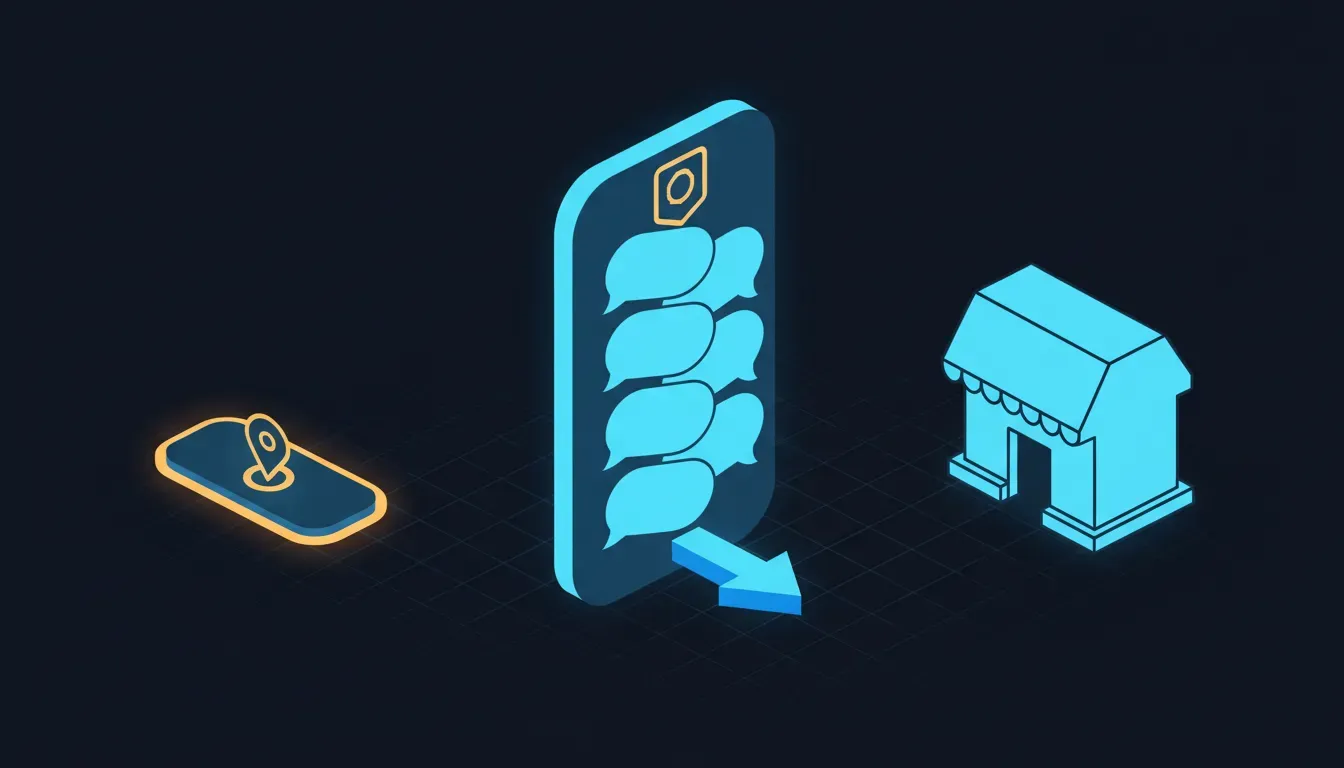
Sponsored Agents are a pilot, US only, with large retailers, and nobody reading this can buy one today. They are still worth understanding now, because they change what an ad is. A search ad is a headline and a landing page. A sponsored agent is a conversation: the shopper clicks, and then asks whether the table seats six, whether the finish survives a dog, whether it ships to Halifax before the holidays. Whatever answers those questions is your ad. OpenAI is explicit that this conversation is "distinct from ChatGPT's independent answers" and separate from the chat the user started, which is consistent with everything it has said about keeping ads away from the answer. It also means the quality of that conversation is entirely yours. There is no neutral assistant in the loop to cover for a thin product page.
Two things OpenAI has not said, and which we would want answered before building one: who keeps the transcripts of those conversations, and how the system decides which sponsored agent a user sees. Neither is a reason for alarm. Both are questions your privacy notice and your budget will eventually need answers to.
The two conclusions that both get this wrong
The first wrong conclusion is that the app makes this a five-minute job. It does make the setup a five-minute job, which is precisely the risk: a catalog synced by default, copy suggested by default, headlines rewritten to fit the conversation if you tick the box, and a campaign live before anyone has read what it says about your products. Speed of setup is not evidence of readiness, and if you are regulated, sell on claims, or have terms you are legally bound to state a certain way, AI-customised text is a copy approval question before it is a marketing one. The second wrong conclusion is that nothing here matters because the answer still is not for sale. The answer still is not for sale, and that is good news. But the ad is now built from the same data as the answer, and the next ad format is a conversation that runs on your product knowledge. The work that makes you recommendable has quietly become the work that makes you advertisable too. Ignoring the ads is fine. Ignoring the catalog was never fine and now costs twice.
What would we actually do before 23 September?
- Look at your top twenty products the way the app will. Titles, descriptions, variants, images, prices and stock, as Shopify Catalog holds them rather than as your theme displays them. Anything you would not want printed in an ad is already being read by the assistant, and is about to be printable.
- Read the app's permission list before installing it. On its App Store listing it asks for access to customer data including names and emails, device and activity data such as IP addresses, product listings, marketing events and web pixels. That is ordinary for an ad app that measures conversions. It is also worth a line in your privacy notice and five minutes with whoever owns that notice.
- Decide in advance whether AI-customised text is on or off. Our default is off until someone has seen what it does to your headlines, and permanently off for anything carrying a regulatory or warranty claim.
- Write down the thirty questions shoppers actually ask before they buy, with the answers you would stand behind. You need this for your product pages today, for the organic answer tomorrow, and for a sponsored agent if the pilot ever opens to businesses your size. It is the only piece of this that pays off three times.
- If you do test, test small and give it a kill date. Pick products whose data is already clean, set a budget you would be comfortable losing, and before launch write down what you think organic assistant traffic is worth to you. Otherwise the paid line reports itself, the organic line does not, and the budget follows the number that was easier to produce, as we warned in August.
- B2B on HubSpot: the closed-loop attribution is the genuinely interesting part, and it is only as good as your deal hygiene. If your pipeline stages and lead sources are unreliable today, attribution will be confidently wrong. Fix that first, and do not let 30 September set your timetable.
The genuinely encouraging part
Look at what OpenAI chose to build. Given the chance to design an ad format from scratch inside an assistant, it built one that runs on product data and answers questions, and it kept that conversation walled off from the independent answer. That rewards exactly the businesses that were already doing the unglamorous work: clear titles, honest specs, stated prices and delivery times, answers written down before the customer asks. A store with that work done can switch a new channel on this week with some confidence. A store without it gets the same channel and pays to show the gaps. For once, the boring work and the new channel point in the same direction, and the boring work is the one that also helps you when you spend nothing at all.
Where we fit
The case for bringing us in is not to run your ChatGPT ads. Plenty of people will offer to do that this month, and for most of our clients the right spend this quarter is small or zero. It is that the catalog now does two jobs, and nobody on your team owns it as an AI asset. Our AI Shopping Visibility work starts where the new app starts: with your products as Shopify Catalog actually holds them. We check which of your products ChatGPT, Gemini, Copilot and Perplexity recommend, mention or skip, trace each gap to a specific title, missing attribute, stock mismatch or page that never states the fact a shopper asked for, and fix them in order of revenue. We also write the pre-sale question bank that your pages, your support team and any future sponsored agent can all use. Once that is done, turning on the ads app is a decision you can make on its merits, not a way to find out in public what your catalog says.
Sources
- OpenAI — Reimagining advertising with AI (16 September; the primary source for Sponsored Agents and the "distinct from ChatGPT's independent answers" line, the Shopify app and its Shopify Catalog integration, the 23 September international date, HubSpot as first CRM partner, ads.openai.com, the Ads Manager plugin, suggested copy and opt-in text customisation. The page blocks automated link checkers but loads normally in a browser)
- Shopify App Store — ChatGPT Ads (the app listing: published by OpenAI, free to install, what it does, and the customer, device, product, marketing-event and pixel data it requests)
- HubSpot — HubSpot and OpenAI deepen partnership to bring AI transformation to every SMB (ChatGPT Ads in HubSpot, the closed-loop attribution claim, and the launch bundle including the ad-spend match for accounts opened by 30 September)
- AI Weekly — OpenAI pilots Sponsored Agents in ChatGPT with Wayfair, Angi (the reported list of pilot advertisers, and the open questions on agent selection and transcript ownership)
- eMarketer — OpenAI expands ChatGPT ads to Shopify storefronts (analyst context, including the reported $100 billion ad revenue target and the advice to keep ChatGPT ads a modest share of search budgets until measurement matures)
- Digital Applied — ChatGPT Ads add Sponsored Agents, Shopify app: what changes (a practitioner read of what a sponsored agent needs, including a prepared bank of pre-sale answers, and confirmation that no pricing or performance data was published)
- Shopify Help Center — Shopify agentic storefronts (how Shopify Catalog shares your products with AI channels, including the default settings behind "already integrated")
- JTS Tech Services — ChatGPT's ad business goes from 9 markets to about 40, and the answer is still not for sale (22 August; the architecture of the ad slot and the measurement trap this post builds on rather than repeats)
- JTS Tech Services — What ChatGPT actually reads from your site (why product cards come from feeds and the organic answer reads so little of your page, the other half of why the catalog now matters twice)